Recommended camera gear
For the Passion to Pro course by BigShots Photography Academy, any camera with manual mode will do.
Manual mode offers greater control over settings like aperture, shutter speed, and ISO, allowing you to tailor each shot to your preferences and the scene's needs. It's excellent for learning photography fundamentals and getting creative with your shots.
However to gain the most out of the course and to achieve a professional level of photography, I highly recommend a DSLR or mirrorless camera that will give you the ability to change lenses.
If you already have a camera (with manual mode) you can definitely use it to learn with and then upgrade once you are ready.
If you are looking to purchase a new camera, here are some good options that I recommend.
There are many other great camera companies out there but since I am a canon shooter and have always been:)
I am only recommending Canon gear, since I am the most familiar with their products.
And remember... "It's not about the camera gear you wield, but the vision and creativity you wield through any gear that truly captures moments."
The skill, creativity, and vision of the photographer play a significant role in creating compelling images. While good gear can certainly enhance the quality of photos, the photographer's understanding of composition, lighting, and storytelling often matters more in capturing memorable moments.
Your talent and skill can shine through regardless of the camera used.
Please note: There are many camera models to choose from, however I have included my top picks in 3 different categories, Budget Friendly, DSLR and Mirrorless cameras.
#1 BUDGET FRIENDLY OPTIONS:
These are the cheapest, crop sensor (see below) entry level options that are good enough to get started with:
Canon EOS Rebel T7 DSLR Camera
paired with the Canon EF 50mm f/1.8 STM Lens (see lenses below)
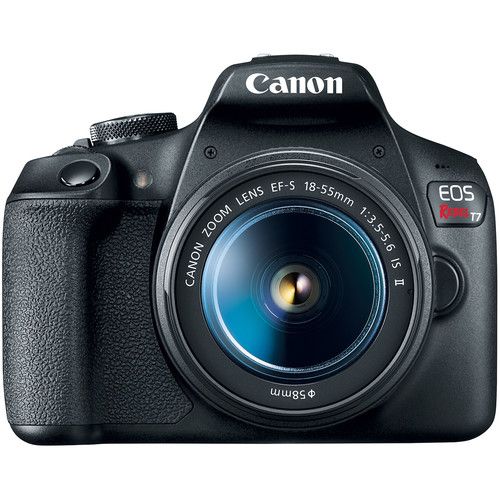
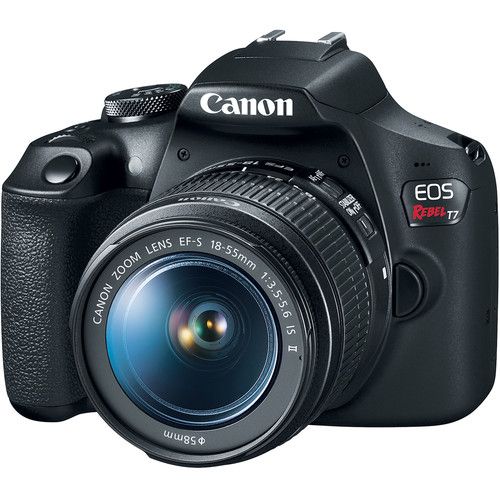
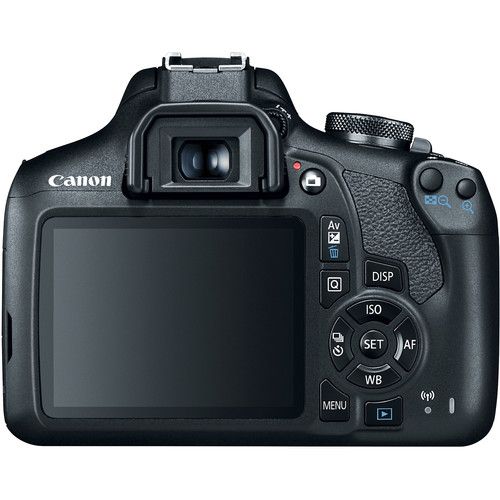
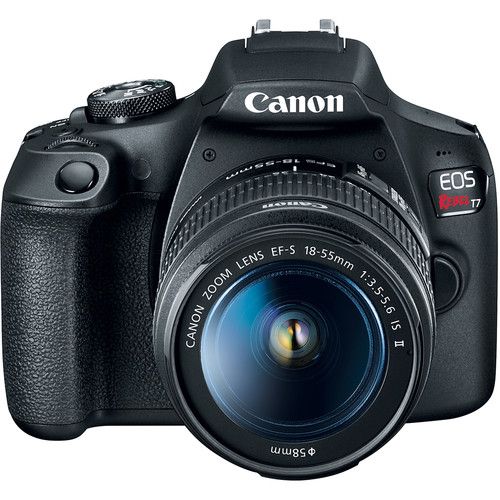
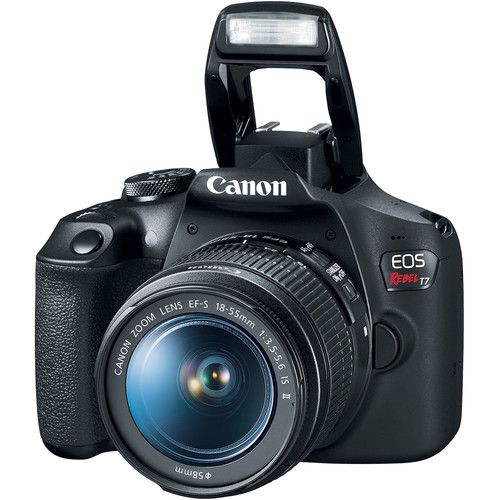
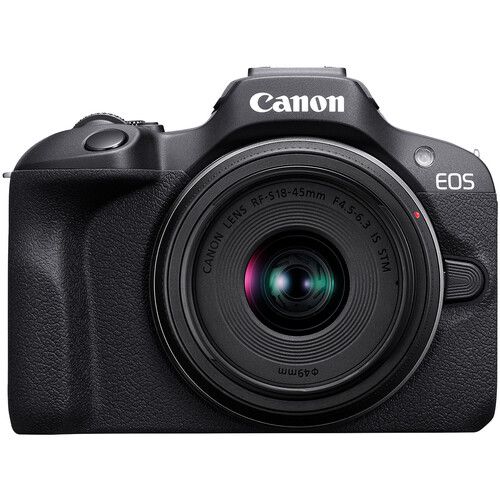
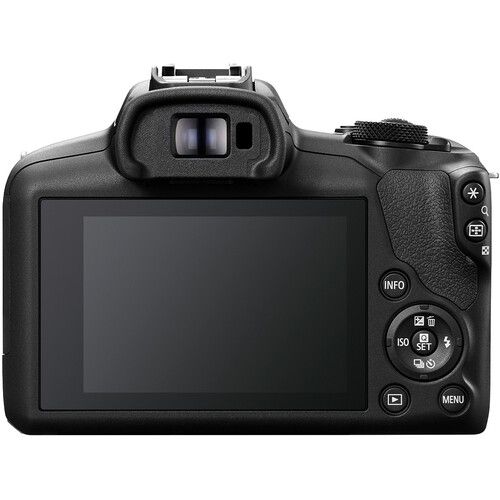
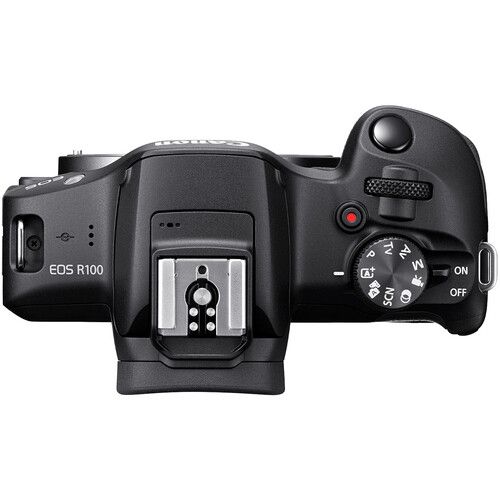
These cameras come with the 18-55mm or 18-45mm lenses. They are not good lenses but worth getting with the camera since you aren't paying all that much for it and they may come in handy in certain situations. As your photography knowledge increases, you will understand why they aren't really suitable for professional photography.
These are great budget friendly entry level options, and will allow you to learn photography and take professional looking images.
However, as your skills and understanding of photography grow, you might find yourself looking for gear that will provide you access to advanced features, and better image quality.
Investing in a full-frame camera offers several advantages over entry-level or crop sensor cameras:
Better Image Quality: Full-frame sensors have larger pixels, which generally result in better image quality, especially in low light conditions. They tend to offer improved dynamic range and better performance at higher ISO settings, reducing noise in photos.
Shallower Depth of Field: Due to the larger sensor size, full-frame cameras can achieve shallower depth of field, allowing for better subject isolation and more pronounced background blur in images.
Wider Field of View: Full-frame sensors utilize the entire image projected by the lens, providing a wider field of view compared to crop sensors. This is particularly beneficial for wide-angle photography.
Professional Use: Full-frame cameras are often preferred by professionals due to their superior image quality and performance, making them suitable for various genres of photography like landscape, portrait, and commercial work.
Lens Compatibility: Full-frame cameras are compatible with a wider range of lenses, including those designed specifically for full-frame sensors. This allows for more lens choices and better utilization of the lenses' intended focal lengths.
However, entry-level or crop sensor cameras have their own advantages, such as affordability, smaller and lighter bodies, and compatibility with both crop-sensor and full-frame lenses (with a crop factor).
The decision to invest in a full-frame camera should align with your specific photography needs, budget, and future aspirations in photography.
When I first purchased an entry level DSLR, the prices were incredibly cheap ($250-$350)
However, being that entry level cameras have gotten more and more expensive over the years, it may be worthwhile investing in a full frame camera, since it will last you longer in your professional photography career.
#2 MIRRORLESS CAMERAS:
Mirrorless cameras offer several advantages over DSLRs. They tend to be more compact and lighter due to the absence of a mirror mechanism, making them easier to carry around. Additionally, mirrorless cameras often have faster and more accurate focus systems with incredible focus tracking, This makes getting sharp pictures almost effortless.
Moreover, mirrorless cameras often feature electronic viewfinders that offer a real-time preview of exposure and depth of field, which some photographers find advantageous.
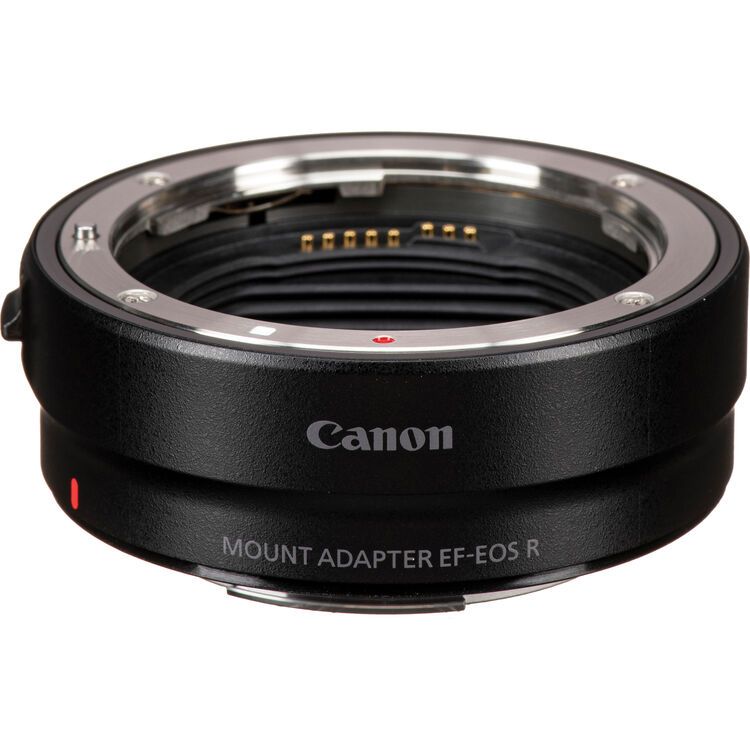
Mirrorless lenses are a little more pricey, therefore you can get an EF-RF adapter so that you can use EF mounted lenses (EF lenses are made for DSLR cameras) which can be significantly cheaper.
CANON MOUNT ADAPTER EF-EOS R
$129
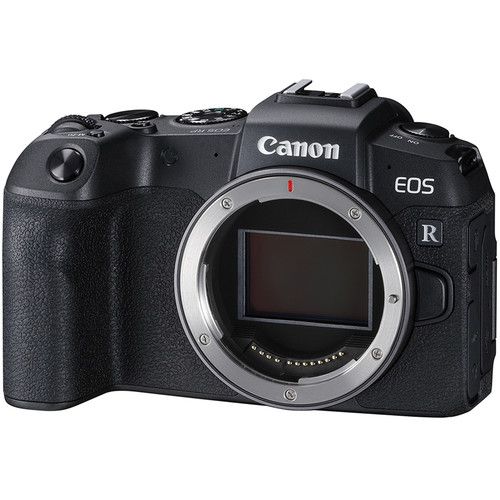
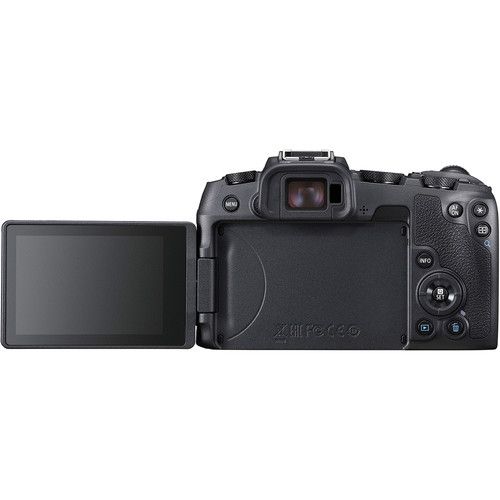
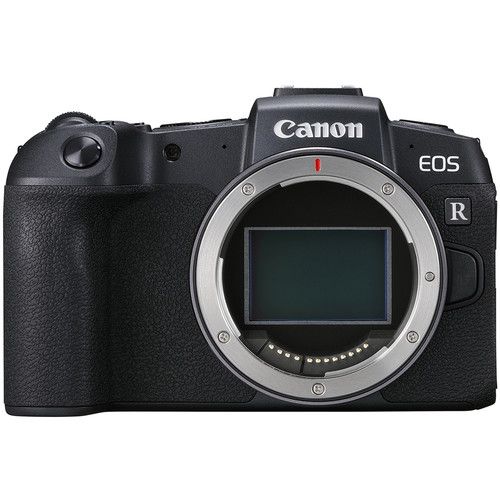
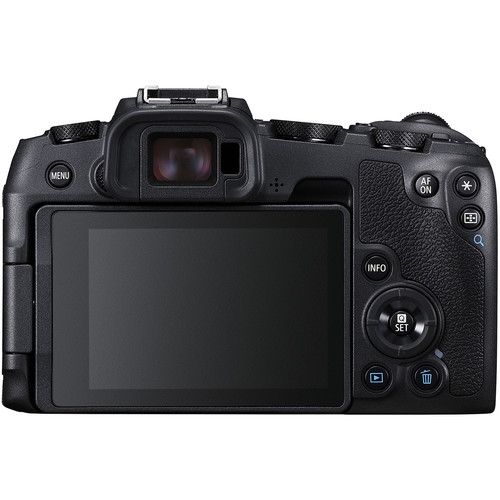
CANON EOS RP MIRRORLESS CAMERA
$999
The Canon EOS RP is a compact and lightweight full-frame mirrorless camera that can be used at a professional level.
It's huge value for the price and would be a great option that will last you well into your photography career.
Pair with any of the lenses listed below but make sure to get an with the Canon EF - EOS R lens adapter if you plan on using it with EF lenses.
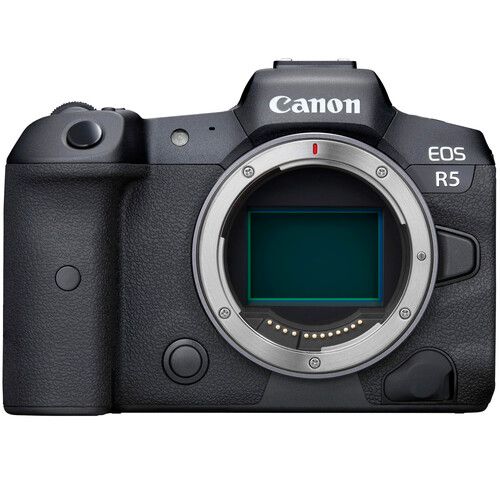
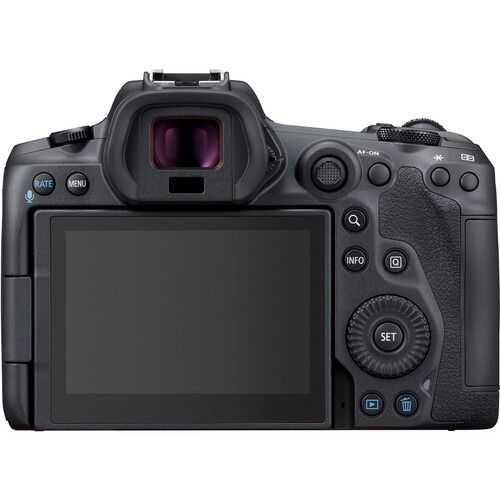
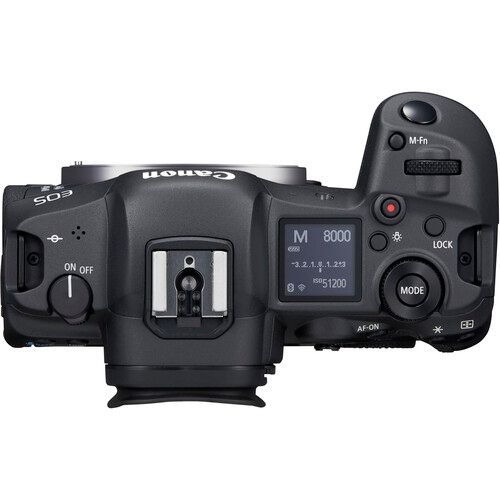
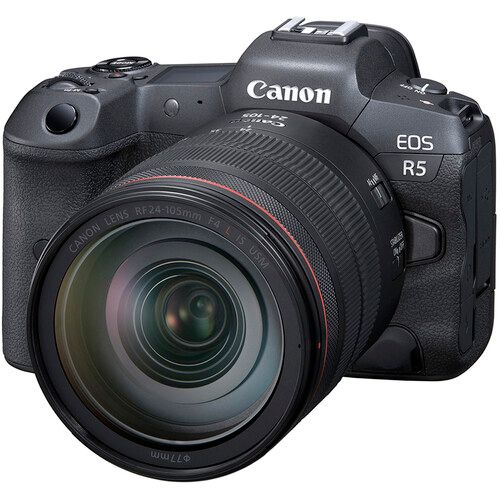
CANON EOS R5 MIRRORLESS CAMERA
$3899 ( you can sometimes snag a better deal on it, it has been on sale for $2999 for quite some time)
The R5 is top of the line when it comes to professional cameras. The image quality and resolution is superb, due to it very large sensor. If you are opting for the most professional camera that will produce high quality images, perfect for printing very large portraits, then this is it.
#3 FULL FRAME DSLR CAMERAS:
DSLRs are known for their versatility, interchangeable lenses, and typically larger size compared to other types of digital cameras. They've been a popular choice for photographers due to their optical viewfinders and extensive lens compatibility.
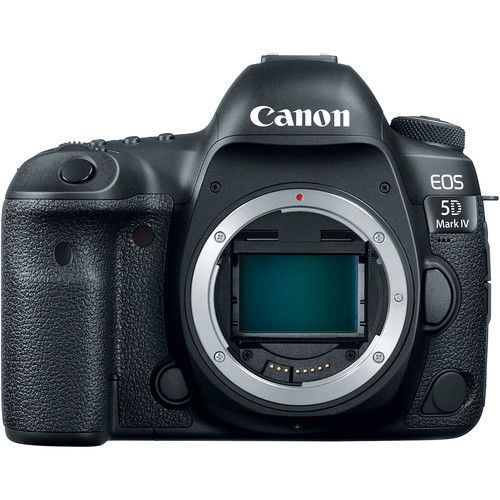
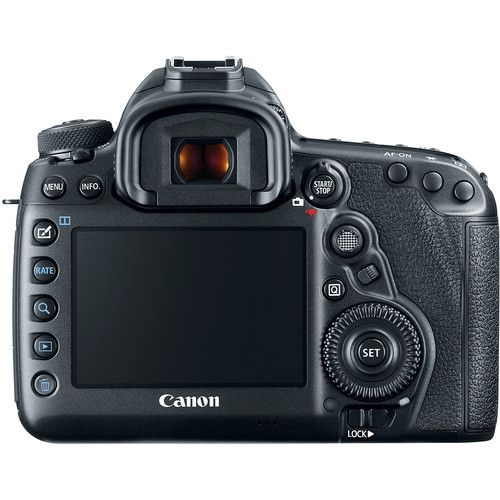
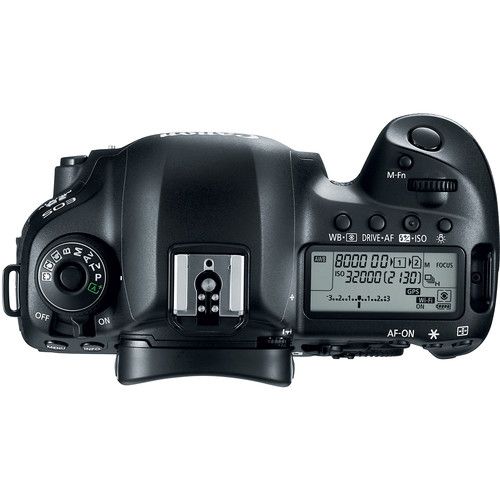
CANON EOS 5D MARK IV DSLR CAMERA (BODY ONLY)
$2699
The Canon 5D Mark IV is highly regarded for its combination of image quality, performance, and versatility, making it a popular choice among professional photographers.
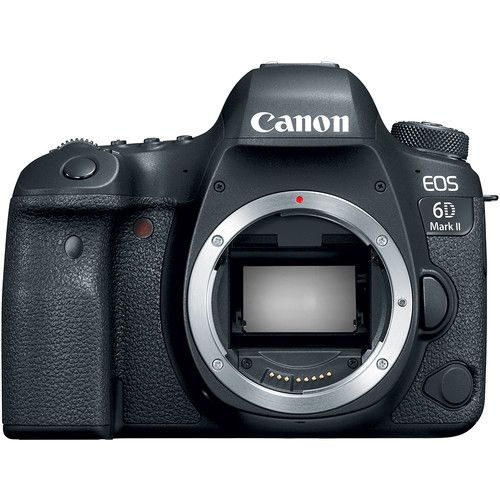
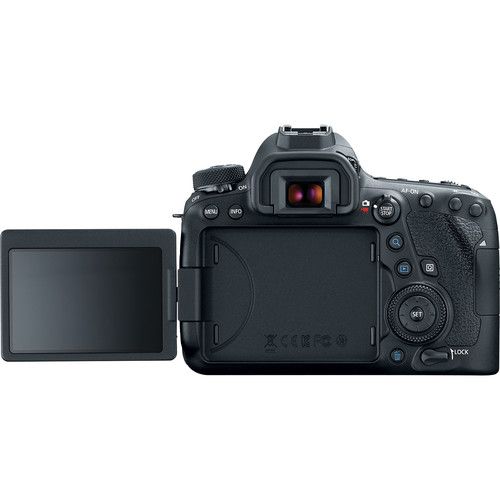
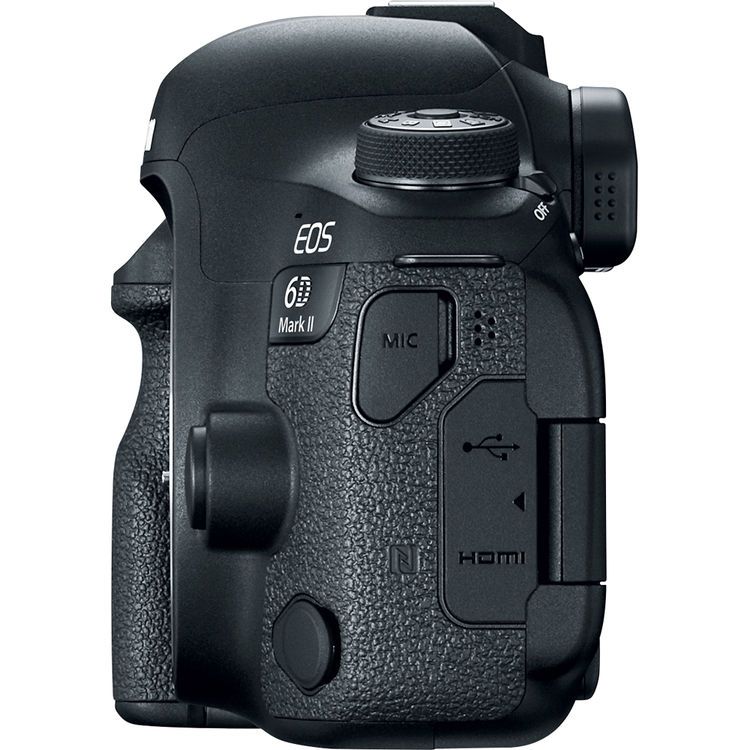
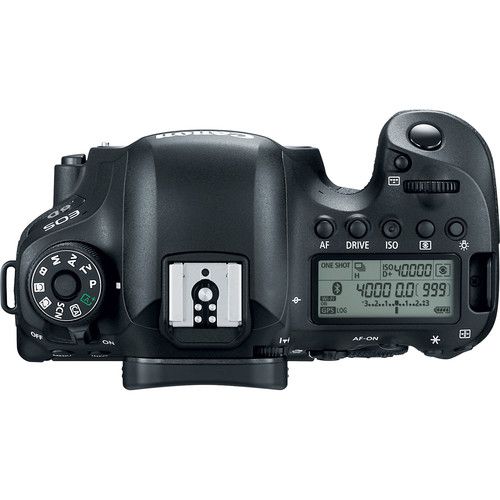
Another great and cheaper option would be the Canon 6D Mark II
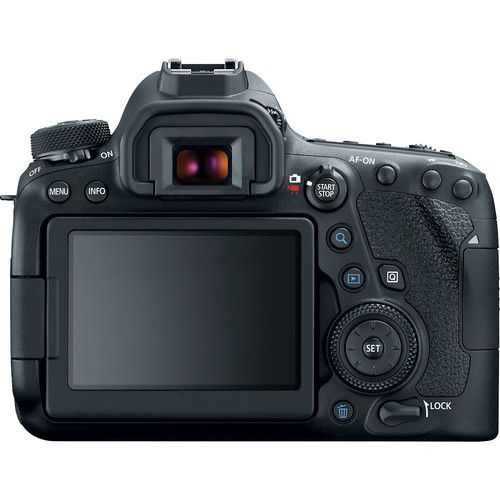
CANON EOS 6D MARK II DSLR CAMERA (BODY ONLY)
$1399
the Canon EOS 6D Mark II is well-regarded since it offers many features found in higher-end Canon models at a more affordable price point, making it an attractive choice for enthusiasts as well as professionals.
While it may not have all the advanced features of Canon's flagship models, the 6D Mark II's combination of full-frame performance, usability, and relative affordability makes it a popular choice for those looking to step into the full-frame arena.
I have been using both the 5D and the 6D on a professional level for years with great results.
#4 LENSES:
Please note that EF lenses are for DSLRs and RF Lenses are for mirrorless cameras.
If you have a mirrorless camera then you will need an adapter to be able to use an EF lens.
CANON MOUNT ADAPTER EF-EOS R
Since EF lenses are cheaper than RF lenses (although when they are on sale the price can be pretty comparable)
I have included mostly EF lenses on this list.
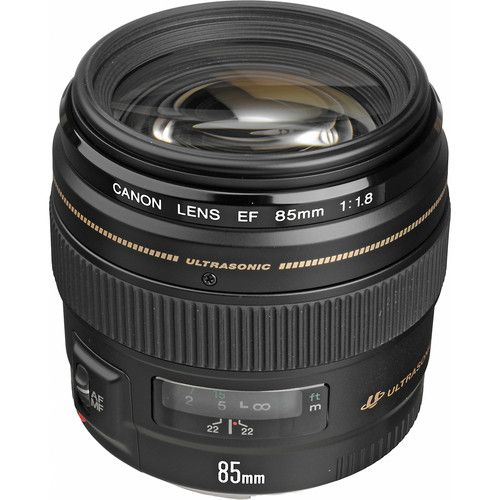
CANON EF 85MM F/1.8 USM LENS
$499
The 85mm lens produces stunning portraits with a beautiful shallow depth of field, creating a pleasing background blur (bokeh). It's often favored for portraiture due to its flattering focal length and compression.
It may not be as versatile as the 24-70mm lens since due to its focal length, it will require more distance between the photographer and the subject. The 85mm lens is highly recommended for outdoor photography but if you are planning on using it indoors for studio or newborn photography then it is not recommended for confined spaces.
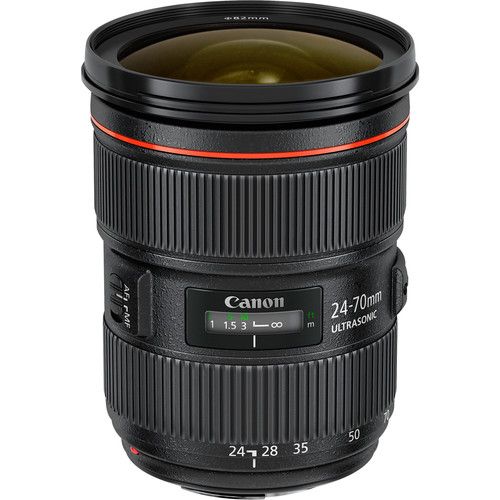
Canon EF 24-70mm f/2.8L II USM Lens
$1899
The 24-70mm lens offers versatility with its zoom range, allowing you to capture a variety of scenes without changing lenses. It's great for landscapes, portraits, events, and newborn photography due to its flexibility.
From all the lenses that I own (which is quite a collection:)) I would say that I have used the 24-70mm lens the most.
It's perfect for in- studio portraits as well as outdoor photography especially when photographing small children.
since it doesn't require much distance between the photographer and the subject it allows you a tremendous amount of versatility. It's not a cheap lens but definitely worth it since it works for everything.
You can get this lens off-brand as well which will be significantly cheaper.
Sigma 24-70mm f/2.8 DG OS HSM Art Lens for Canon EF $1299
In the past, I haven't had great experience with off-brand lenses since I have found that they had focusing issues and needed to be calibrated often. However, it is possible that they have gotten better over time.
Choosing between a 24-70mm lens and an 85mm lens depends on your shooting style and needs.
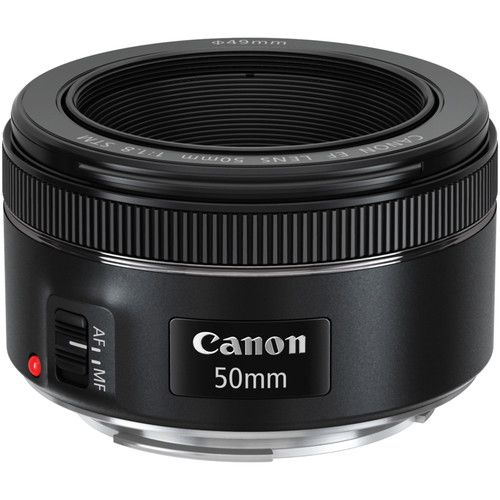
CANON EF 50MM F/1.8 STM LENS
$125-$169
It is known as the "nifty fifty" due to its incredibly cheap price.
This is the cheapest best quality lens for the price.
With a low aperture of f1.8 it will give you beautiful blurred backgrounds.
If you are on a budget and would like to start with one low-cost lens then this would be a great option.
If you are using a crop sensor camera such as the Rebel T7 then due to the crop factor, this lens will function more like an 85mm lens.
If you have a mirrorless camera, this is the RF version of the lens. Canon RF 50mm f/1.8 STM Lens